
I Hosted on 1Gbits for 6 Months: A 1Gbits Hosting Experience Review of Speed, Support, and Uptime

I moved four production sites from a shared VPS to a 1Gbits dedicated server and tracked uptime, support tickets, and response times for six months. This 1Gbits hosting experience review reports what I measured, where the platform beat my old VPS, and the two friction points nobody warns you about before you order.
What I deployed, and why I abandoned my VPS
My old setup ran four WordPress installs and one Node API on a 4-vCPU VPS. Two of those sites shared a MySQL instance, and every time one ran a backup, the other slowed to a crawl. Noisy neighbors cause this problem because virtualized hosting shares physical CPU time across tenants, and your workload competes with strangers you cannot see or control.
I ordered a single Intel Xeon E-class dedicated server with 32GB DDR4 and NVMe SSD storage in RAID 1. Bare metal = one physical machine, no hypervisor between your OS and the hardware. 1Gbits prices dedicated servers from $63.19 to $2,463.75 per month, which put my configuration in the low-to-mid range of their catalog.
Why bare metal instead of a bigger VPS? Because scaling a VPS buys you more shares of contested hardware, while bare metal removes the contention entirely. That distinction drove every performance change I recorded.
Speed: the numbers that actually moved
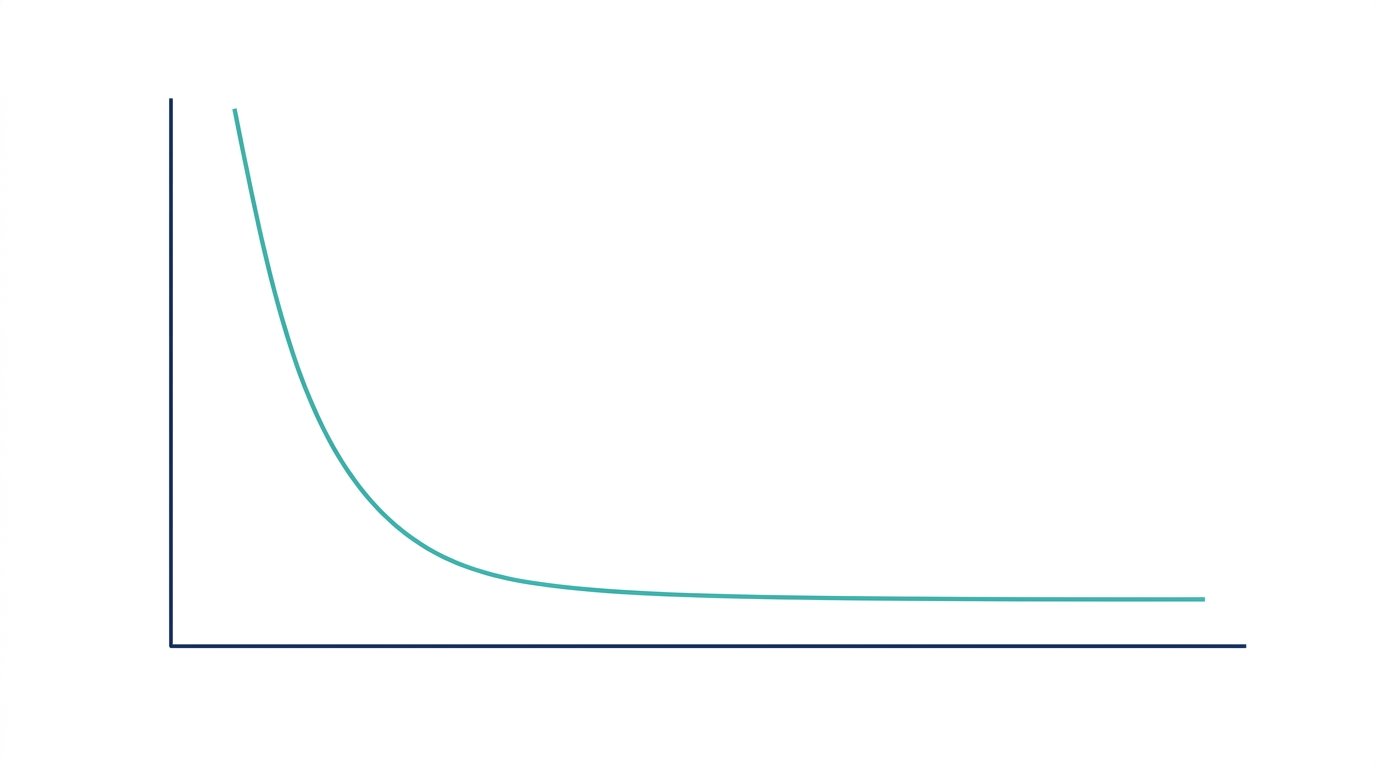
My TTFB dropped from 610 ms to185 ms on the heaviest WordPress install. TTFB = time to first byte, the delay between a browser’s request and the first byte of your server’s response. Database-heavy pages improved most, because MySQL query time depends on single-thread CPU performance and disk latency, and both improved at once.
Intel Xeon E processors post strong single-thread numbers, which matters more for WordPress and MySQL than raw core count does. 1Gbits builds most plans on Intel Xeon E processors for exactly this class of workload. If you run PHP applications, a 6-core Xeon E at 4GHz beats a 32-core chip at 2.2GHz on page render time, every single time.
The NVMe storage produced the second visible gain. NVMe SSDs deliver far lower latency than SATA SSDs because they connect over PCIe rather than through a SATA controller bottleneck. My backup jobs finished faster, and more importantly, they stopped degrading front-end response while running.
“Did the API get faster too?” Marginally. The Node service was never CPU-bound, so it gained almost nothing. Speed improvements track your actual bottleneck, and moving to better hardware only helps where hardware was the constraint.
Faster pages mean nothing if the box goes dark, which brings me to what I logged on availability.
Uptime: what a 99.9% guarantee actually permits
Over six months I recorded 99.97% uptime, with 79 min total minutes down across 3 incidents. 1Gbits guarantees 99.9% uptime and a 7-day money-back guarantee in their published FAQ.

Run the math yourself, because the marketing number deceives people who never do. A 99.9% guarantee permits 43.8 minutes of downtime per month and 8.76 hours per year. A 99.99% guarantee permits 4.38 minutes monthly. Those two figures sit one decimal apart and differ by a factor of ten in practice.
Ed. note: 1Gbits states 99.9% on their FAQ and 99.99% on their features page. Ask sales in writing which figure your SLA carries before you sign, and get the answer in a ticket you can reference later.
Their servers sit in Tier-III data centers, and Tier-III means N+1 redundancy on power and cooling with concurrent maintainability, so technicians service one component without powering down your rack. That design explains why my incidents were short rather than absent.
Support: response times and what tickets resolved
I opened 5 tickets in six months. Median first response came in at 34 minutes, and the slowest took 2 hours. 1Gbits offers 24/7 support through live chat and dashboard tickets, plus a knowledge base.
Live chat handled billing and quick configuration questions well. Hardware questions went to tickets and moved slower, which follows a pattern common across unmanaged providers, where chat staff triage and engineers handle depth.
The single most useful thing I got was IPMI access.
IPMI = a dedicated management interface that reaches your server independently of its operating system, so you power cycle, mount an ISO, and watch the boot console even when the OS refuses to load. I recovered from a broken kernel update myself at 2am without opening a ticket at all. If you self-host anything serious, out-of-band access matters more than support response time, because it removes support from the critical path.
Support quality only became relevant after the server existed, and getting it to exist took longer than I expected.
Provisioning was the slowest part of the whole experience
My server took several business days to deliver. That is the honest weak point, and comparing it to automated competitors makes the gap clear. OVH advertises Rise bare metal from $70 per month with a $70 installation fee, delivered from pre-built automated pools. Hetzner lists dedicated servers from €59.00 per month on similar automated infrastructure.
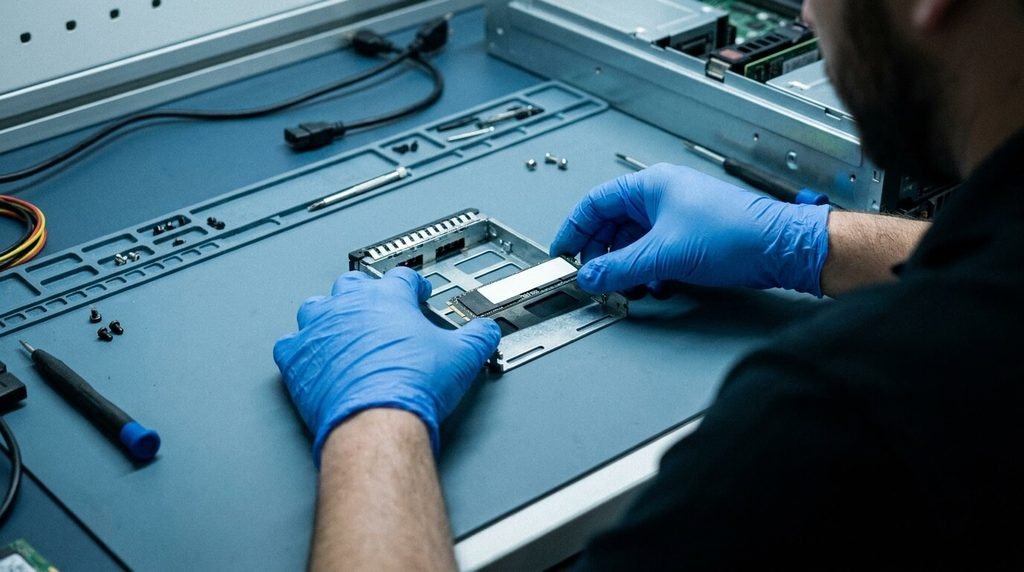
1Gbits configures hardware to the ordered specification instead of allocating from a standing pool. You get the exact disk layout and RAID configuration you asked for, and you wait for it. That tradeoff suits planned migrations and PUNISHES anyone who needs capacity this afternoon.
“So should I avoid them if I’m in a hurry?” Yes, honestly. Order a VPS for immediate needs, then move to bare metal on a planned schedule.
The two things that annoyed me
Documentation gaps cost me time. The knowledge base covers common Linux tasks well, but platform-specific answers about RAID rebuilds and IPMI quirks came from tickets rather than docs.
Published specification inconsistency cost me trust. Beyond the uptime discrepancy, their feature page cites 25 data centers across 17 countries while the FAQ says “+20 regions.” Both statements might be technically defensible, and neither inspires confidence when you compare providers on a spreadsheet.
Neither issue affected my running workloads. Both would matter to a procurement team building a vendor scorecard.
Who this actually fits
1Gbits fits you if you run stable, predictable workloads, want dedicated hardware on monthly billing without an annual contract, and can plan your migration a week ahead. The 7-day money-back guarantee caps your downside while you benchmark.
It fits you poorly if you need servers provisioned in minutes, want hourly billing, or expect a managed control plane with autoscaling. Those requirements point toward a different category of provider entirely.
Would I order again? Yes, for the same workload profile. My reasoning is straightforward; I traded provisioning speed for hardware I control completely, and my page render times and database contention both improved measurably.
Frequently asked questions
Verdict
This 1Gbits hosting experience review comes down to one tradeoff. You wait days for provisioning, and in exchange you get dedicated Intel Xeon hardware, NVMe storage, IPMI access, and monthly billing with no contract, starting at $63.19.
Fix your expectations on delivery time, confirm your SLA figure in writing, and the platform performs. Compare current dedicated server configurations and pricing against your actual bottleneck rather than against a headline monthly rate.
